Masterpieces from Le Havre:
Renoir, Monet, Dufy, Matisse & others
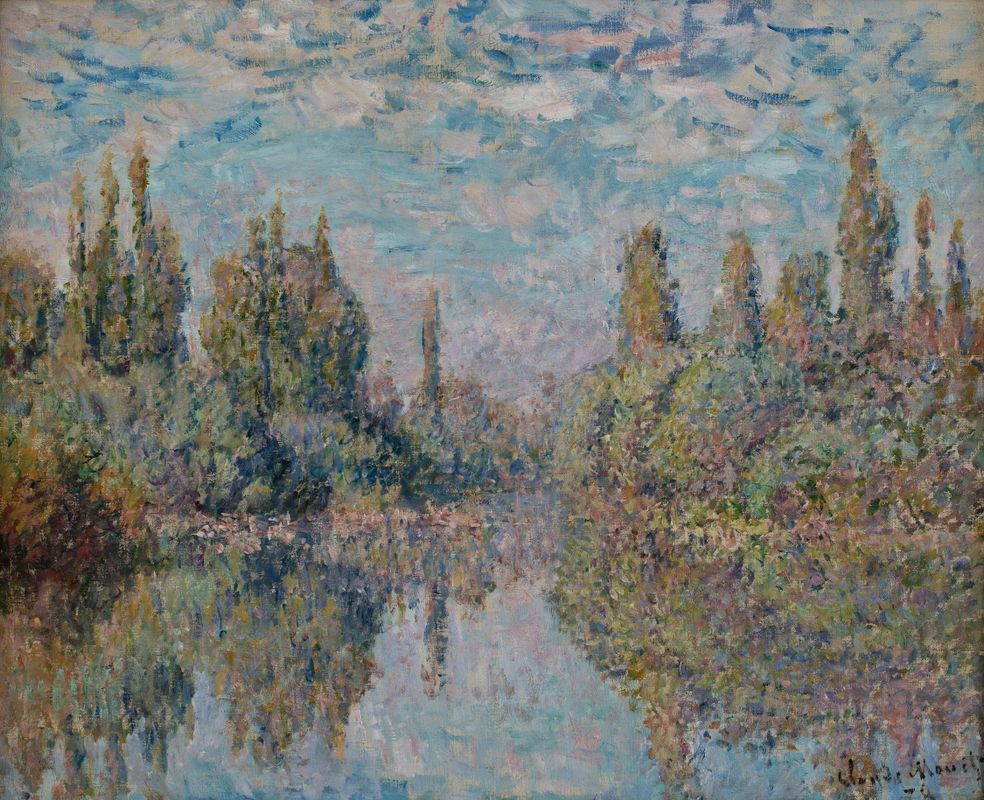
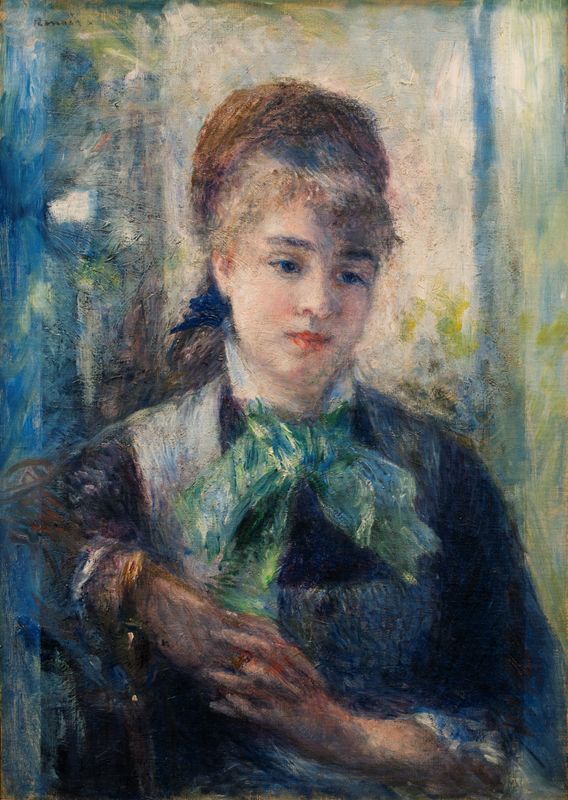
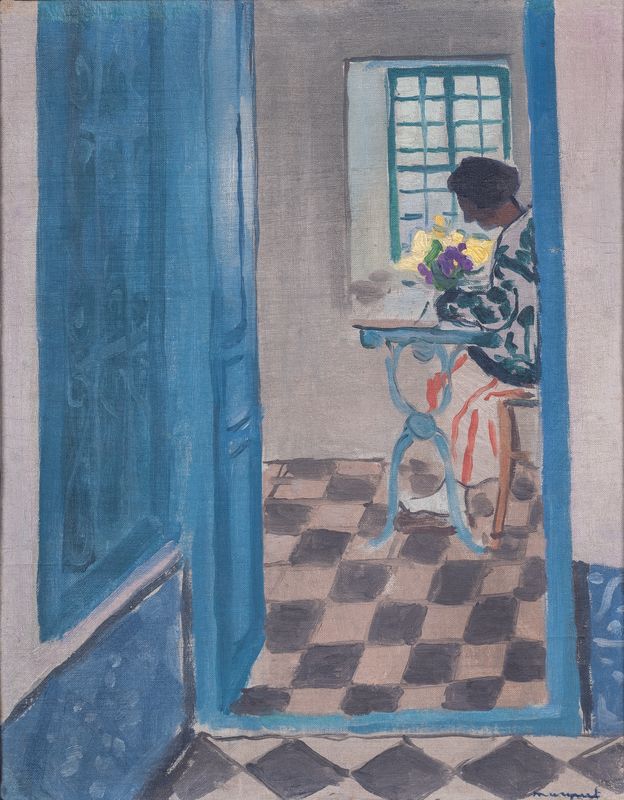
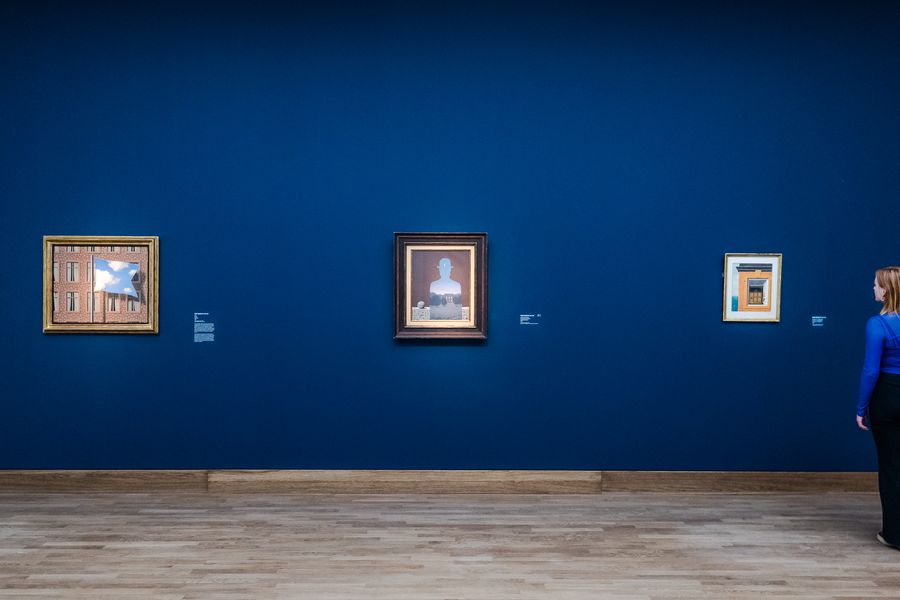
From 20 May 2026, in cooperation with Musée d’art moderne André Malraux (MuMa), Singer Laren will present a unique selection of important works from Le Havre, the birthplace of impressionism and the cradle of French modern art. This exhibition will offer an overview of eighty years of artistic innovation centred around Le Havre. Through works by artists including Eugène Boudin, Claude Monet, Auguste Renoir, Albert Marquet, Othon Friesz and Raoul Dufy, we will chart this period’s evolution from the atmospheric charm of impressionism to the bold colours of fauvism.
Impressionism
We will follow the young artists Eugène Boudin, Raoul Dufy, Barthold and Claude Monet as they journey to Le Havre, a porttown at the mouth of the Seine in Normandy. With financial support from a number of wealthy port traders, these inquisitive artists developed a new style of painting around1870. They used quick sketches rendered in oil paint to capture the shifting light of the Atlantic coast in and around Le Havre, a technique that soon earned the nickname ‘impressionism’.
Artists’ colony and haven for the avant-garde
Much like Laren twenty years later, Le Havre became an influential artists’ colony almost overnight. In the spirit of friendship and cooperation, its members brought the latest developments from the Parisian art world to Le Havre. One such innovation was the use of tiny individual dots of paint, otherwise known as neo-impressionism. A group of like-minded artists formed around Dufy. Painters such as Marquet and Bonnard travelled from northern France to the south of the country. On the Mediterranean coast, they worked in the more vivid and southerly light and began developing colourful new styles. As a counter-reaction to this emphasis on the external world, several of the artists working on the coast of Normandy around 1890 began to look inward instead. Intended to depict an inner life, their paintings reveal a world beyond the visible realm, both in style and subject matter. In the years around 1900, Le Havre grew into a practically compulsory destination for any serious artist.
Olivier Senn (1864-1959)
Le Havre, also known as ‘Porte Océane’, was the most important import hub on the western coast of France and experienced tremendous growth in the 19century. Trading companies specialising in cotton, coffee and exotic woods amassed fortunes and then spent them acquiring art. Olivier Senn (1864-1959), a cotton trader, began collecting impressionist works in Paris. He encouraged the painters to come to Le Havre, where he supported local artists including Braque, Dufy and Friesz. His efforts helped these young fauvists gain exposure. A large number of artworks donated by Senn form the basis for the importantcollection which Musée André Malraux boasts today.