Suzanne Perlman
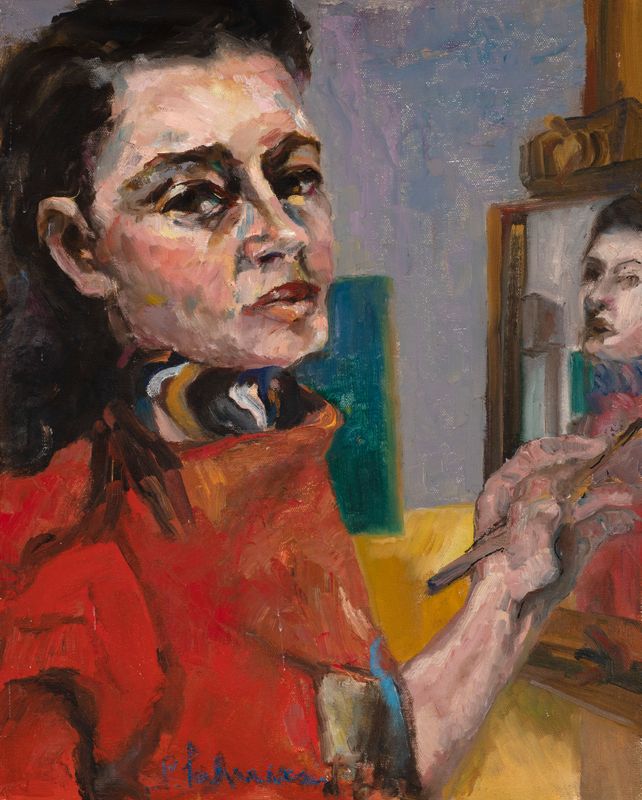
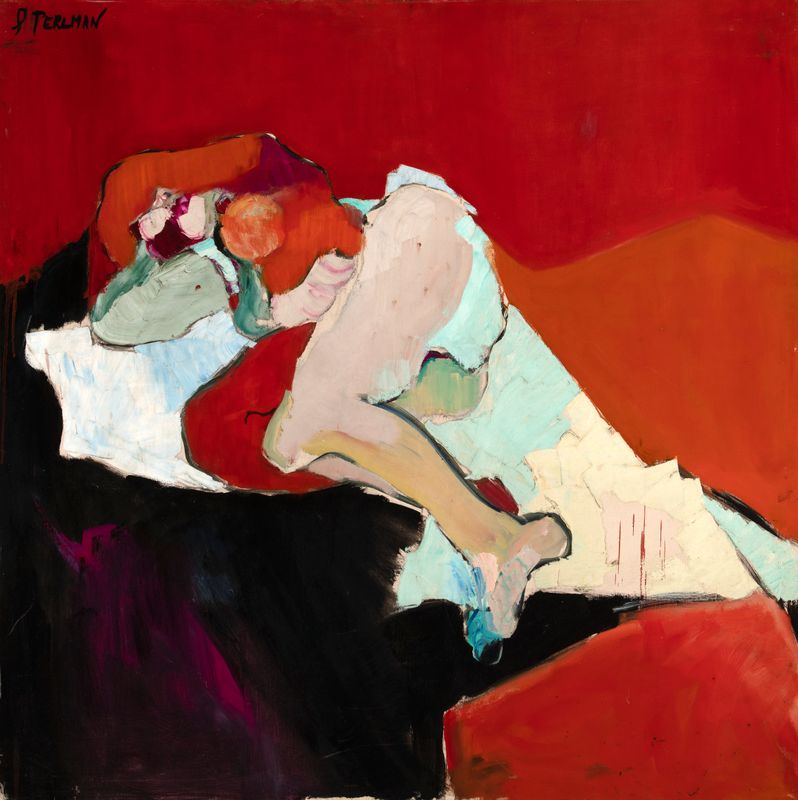
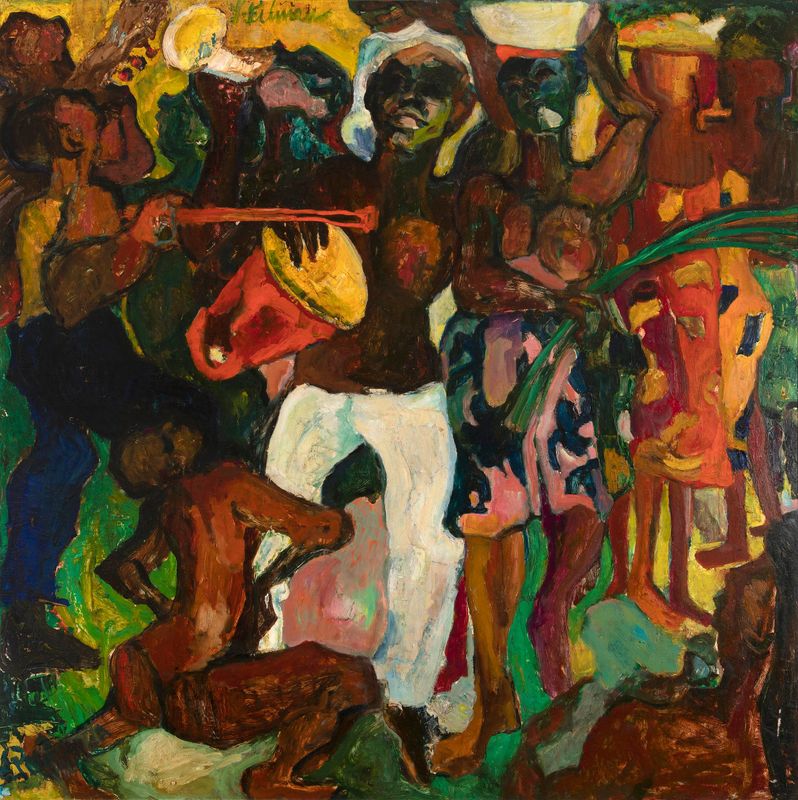
From 11 February 2026, Singer Laren introduces the work of the Hungarian-Dutch artist Suzanne Perlman (1922-2020). In Curaçao, she developed a distinctive personal style: vibrant in colour, expressive in brushwork, and always interested in everyday life and the people around her. She left behind a substantial – and largely unknown – oeuvre. Singer Laren presents a wide-ranging selection, from her early expressive paintings made on Curaçao to her later Abstract Expressionist period. This is the first solo exhibition in the Netherlands dedicated to her life and work in more than fifty years.
Life on Curaçao
Suzanne Perlman (née Sternberg) grew up in an artistic Jewish family in Budapest. At the age of seventeen, she married the Dutch grain merchant Henry Perlman. In 1939 the young couple moved to Rotterdam, but their stay there was brief. Three days before the bombardment of Rotterdam in May 1940, they fled the Nazis via Paris to Curaçao, where Perlman ultimately lived for more than fifty years. On the island, she painted her first expressionist landscapes and intimate portraits, reflecting a deep engagement with the Curaçaoan surroundings and the community she lived in.
The path towards abstraction
During the 1950s and 1960s, Perlman sought to advance her artistic development. She studied at Columbia University and the Art Students League in New York, and at the Escuela de Bellas Artes in San Miguel de Allende, Mexico. In addition, she took lessons from the expressionist artist Oskar Kokoschka in Salzburg, who later invited her to work in his studio. Perlman’s international education stimulated her further exploration of form and colour. She experimented with figuration and abstraction. American and European Abstract Expressionist influences are clearly evident in her abstracted paintings with powerful colour fields and confident brushstrokes.
A reunion with Dutch modernists
In 1961, Perlman took part in the Royal Kingdom Exhibition at the Curaçaosch Museum in Willemstad, where contemporary artists from the Netherlands, Suriname and the Caribbean parts of the Kingdom of the Netherlands were shown together for the first time. The exhibition aimed to make the mutual connections between the constituent countries visible, and encouraged future cultural collaboration—at a moment when the Netherlands fears losing its influence in these regions. Perlman exhibited alongside artists including Chris and Lucilla Engels, Rudi Getrouw, Jan Sluijters, Henk Chabot and Charley Toorop. This historic encounter now finds a meaningful continuation 65 years later at Singer Laren, where her work is celebrated as a ‘reunion’ with Dutch modernists represented in the Singer collection.
The exhibition Suzanne Perlman is realised in collaboration with Matthew Perlman, Director of the Estate of Suzanne Perlman (London).